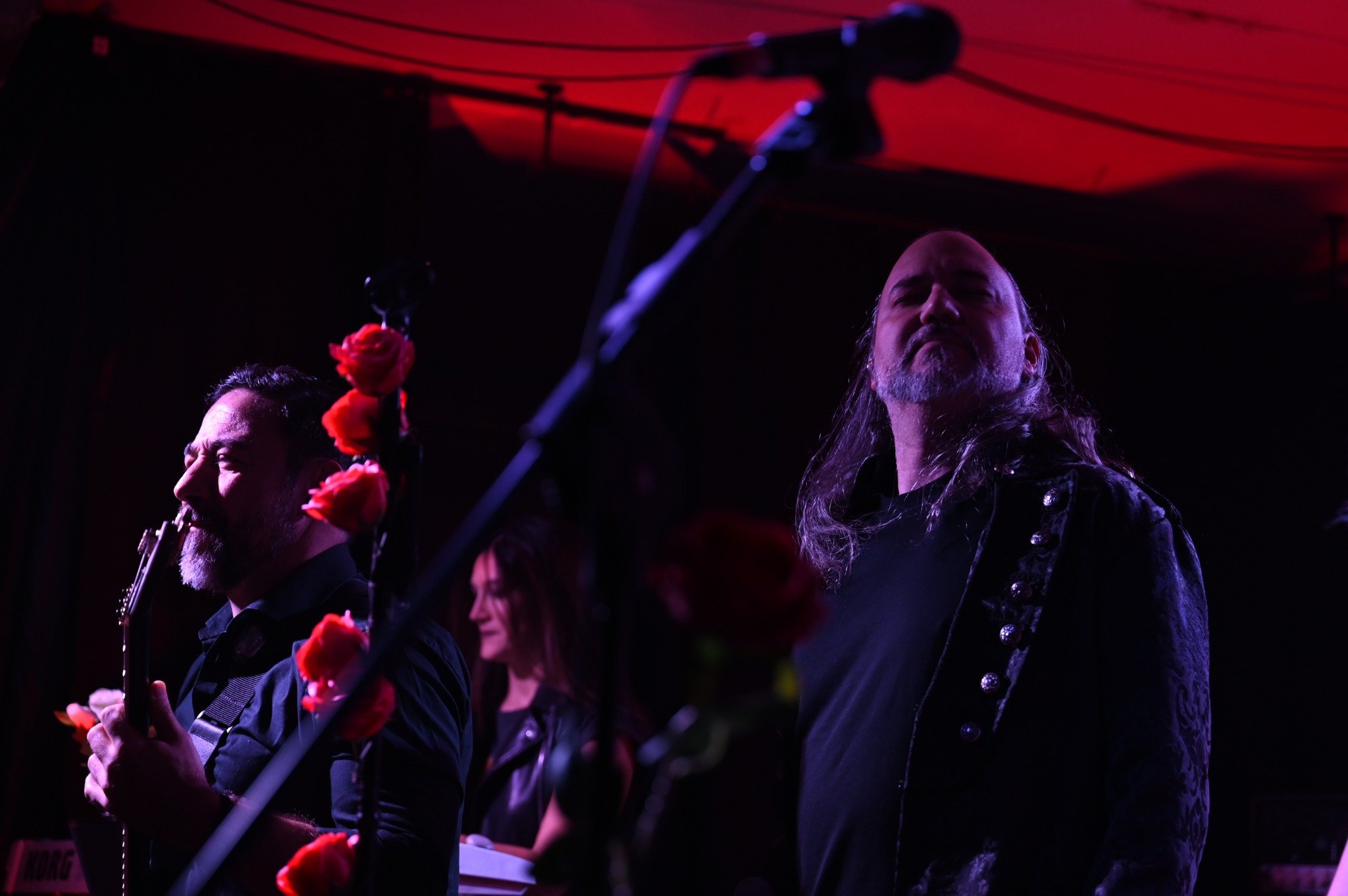
For a long time, I needed a stage
Some people step onto a stage to stand above everyone else.
For a long time, I think I did it to feel like I was standing at the same height as everyone else.
When I was younger, music was rebellion, identity, a way to be different and feel special: there were things I listened to and things I would never listen to, what I was and what I didn't want to be.
Then I discovered that even rebellion can have its own forms of conformity, and that many of those boundaries exist mostly because we've decided not to cross them.
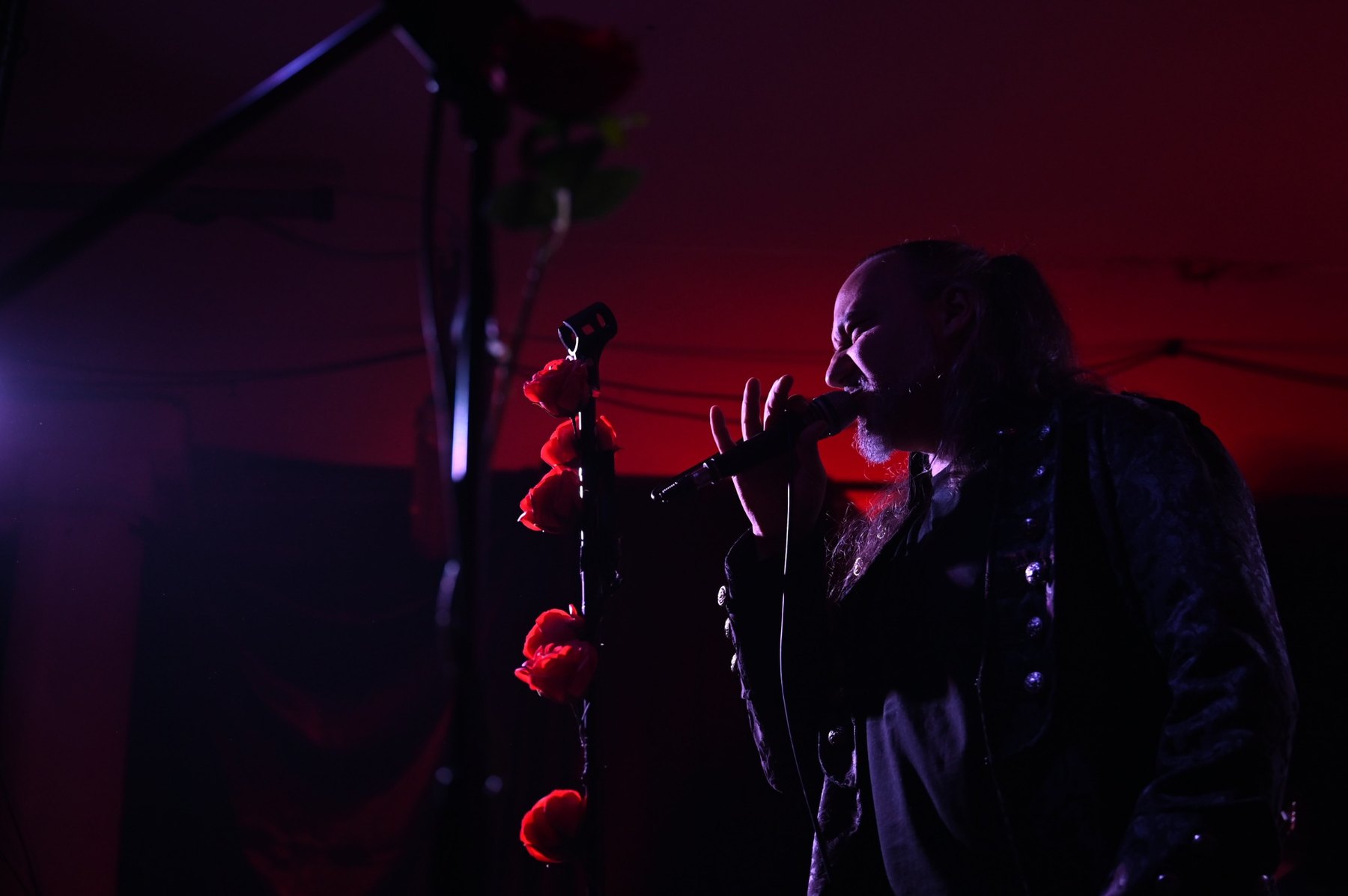
Today I step onto a stage for a different reason
I no longer need music to feel complete: I do it because I enjoy it, because singing makes me feel good, because I can take something of my own and add it to what other people are doing.
There's still anxiety before I go on stage, then the music begins and my color meets everyone else's. And that's the moment I keep looking for.
Not being the center of something, but being part of something that didn't exist before.
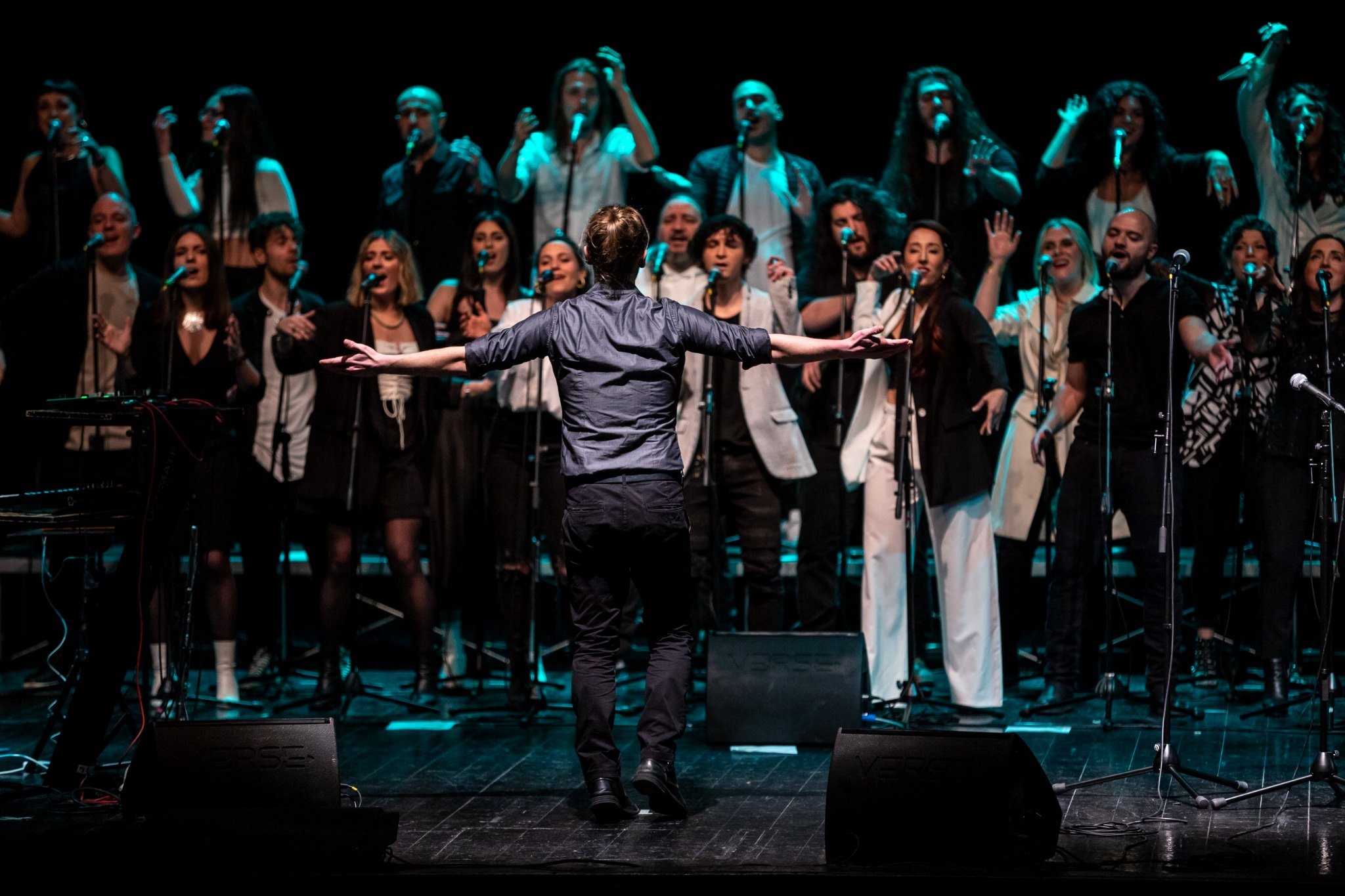
In the Vocal Blue Trains (opens in a new tab), mine is just one among many.
On its own, it has a color, a shape, its limits, but joining the others, it finds its place, fits in, sometimes supports and sometimes is supported.
All those voices are still recognizable, yet what emerges when they come together has a dimension that none of them could have on its own.
Perhaps that's one of the things I love most about music: not having to choose between being yourself and being part of something.
For years, the music I listened to was also a way of defining who I was. Rock and metal were part of that identity, along with a certain distrust of anything that seemed too popular, too simple, or simply belonged to someone else.
Over time, I began to find it curious that the very genres born out of rebellion could build some of the strictest boundaries, so I stopped worrying too much about where one genre ended and another began.
Perhaps it's no coincidence that Savatage (opens in a new tab) have remained my favorite band: metal, progressive, symphonic orchestrations, blues, acoustic music. I never needed to decide which of these things they were. What they made me feel was enough.
Returning to the same place as different people
We founded Poets and Madmen (opens in a new tab) in 2009.
Back then, that project was also about doing something that felt different, stepping onto a stage, being seen. We stopped in 2016.
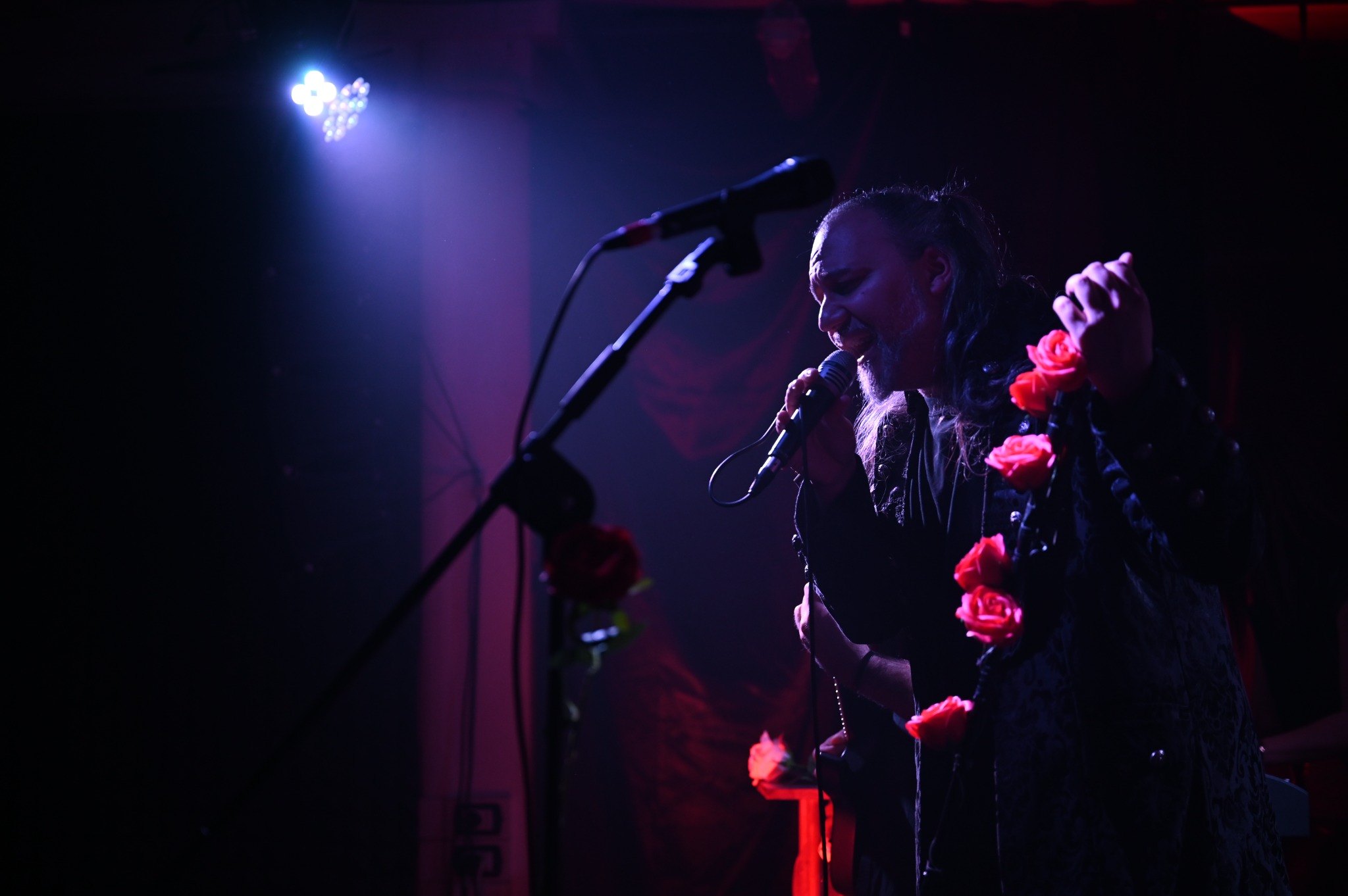
When we decided to start again, many years later, the music was still there. Luckily, we weren't.
We've known each other for more than fifteen years, played on beautiful stages and others it would be generous to call stages, traveled, lived through concerts, and lost hair.
Along the way, we've watched stories and chapters of our lives come to an end, people have left and others have arrived.
Today, stepping onto a stage together no longer means what it meant back then, and perhaps this is what music has become for me: experiencing something I love together with people I love.