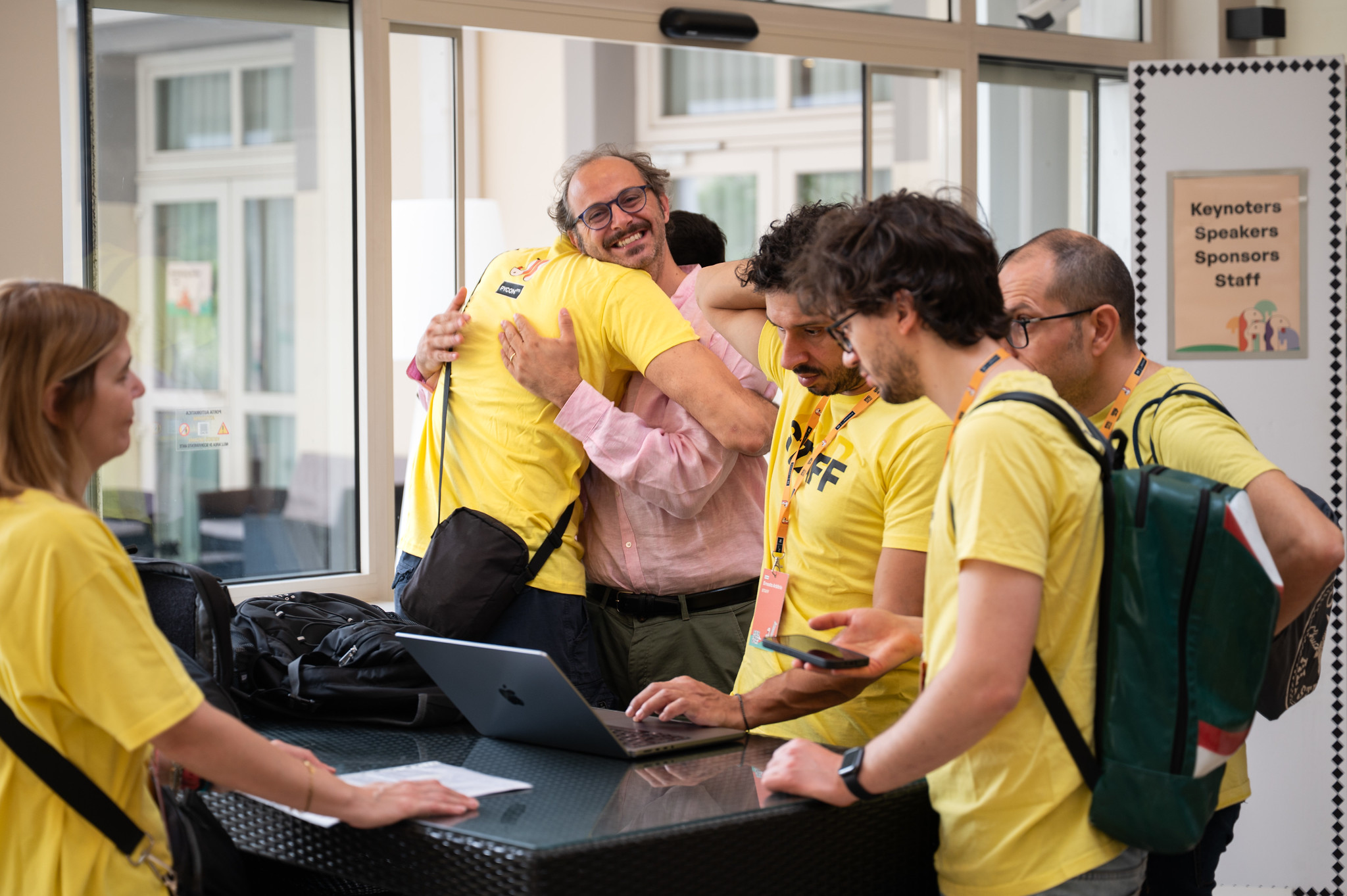
An event begins long before the attendees arrive
Most of what it takes to make an event work happens while the rooms are still empty.
There are ideas to turn into something possible, decisions to make, people to coordinate, problems to imagine before they exist and others that, inevitably, will exist anyway.
Then the doors open, and everything changes: from that moment on, the event no longer belongs only to the people who organized it; it now belongs to the people experiencing it.
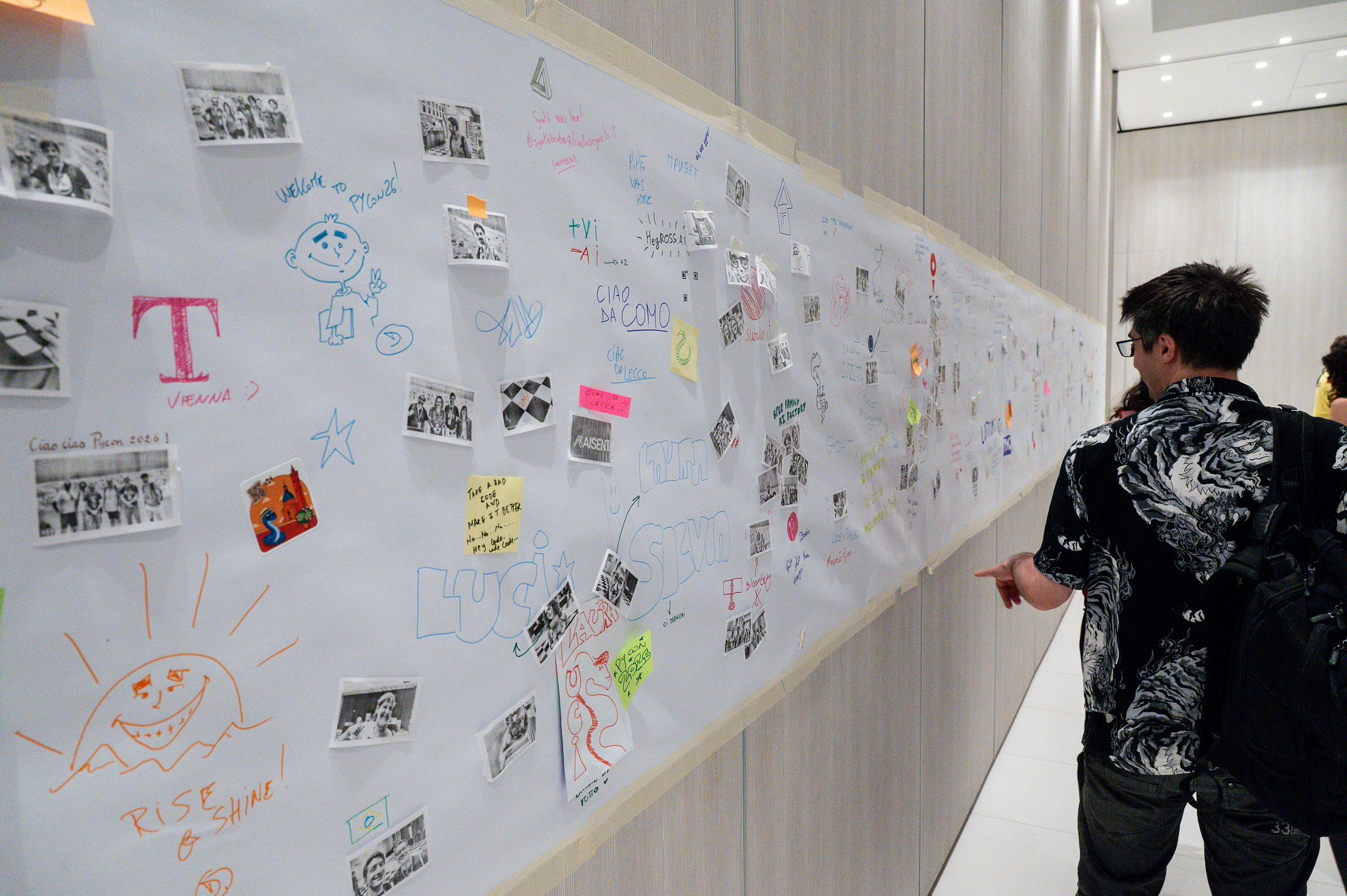
Whether it's a conference or a LARP, organizing, to me, means first of all understanding what people are looking for, and then building the place where they can find it.
You can create opportunities for people to meet, suggest shared interests, leave room for conversations and relationships to emerge, but you cannot decide that they have to happen.
Taking care of people also means this: giving them the freedom to experience something in whatever way they prefer.
At some point, you have to stop being necessary
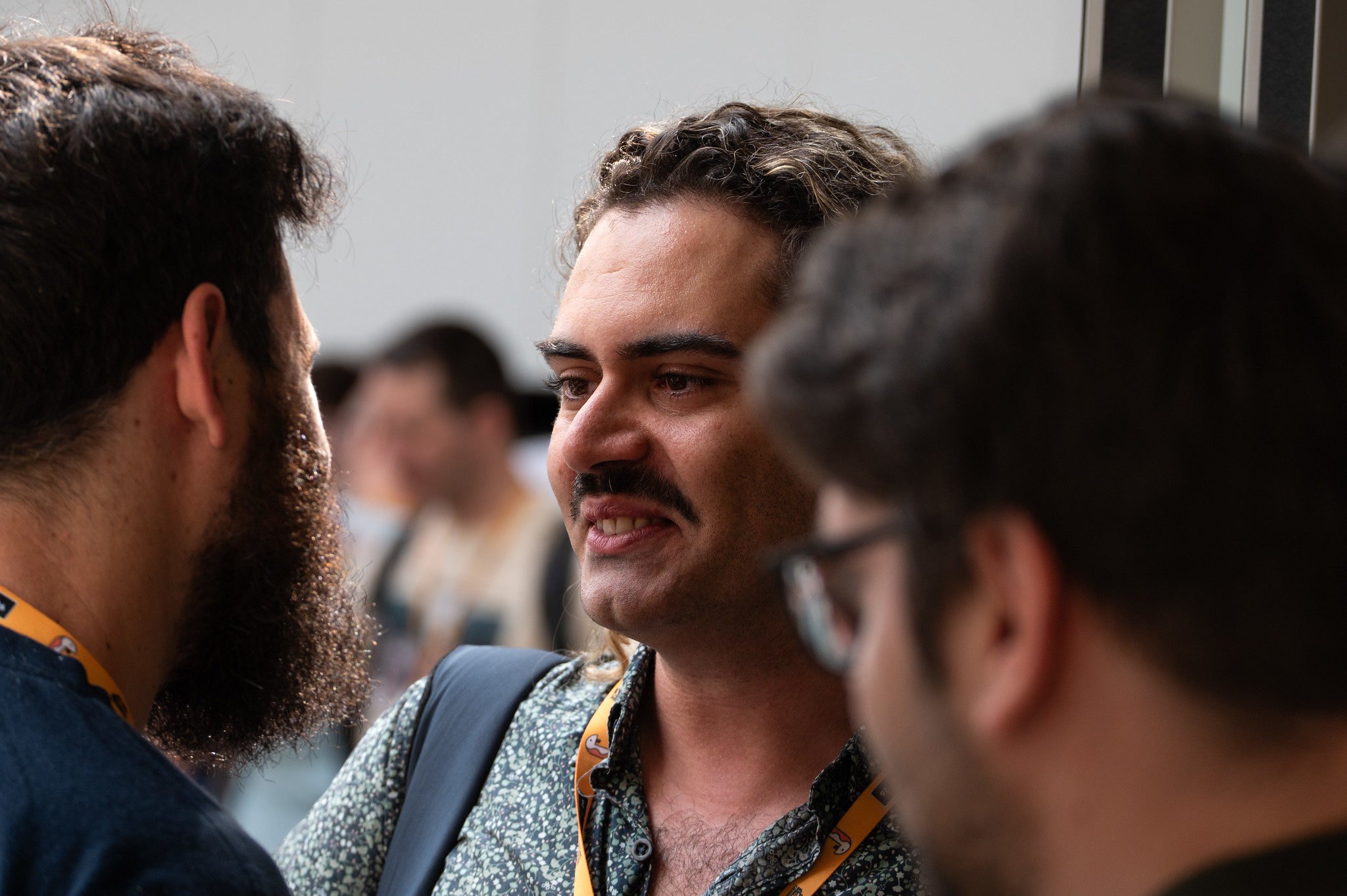
One of my favorite things to do during an event is to stop and watch.
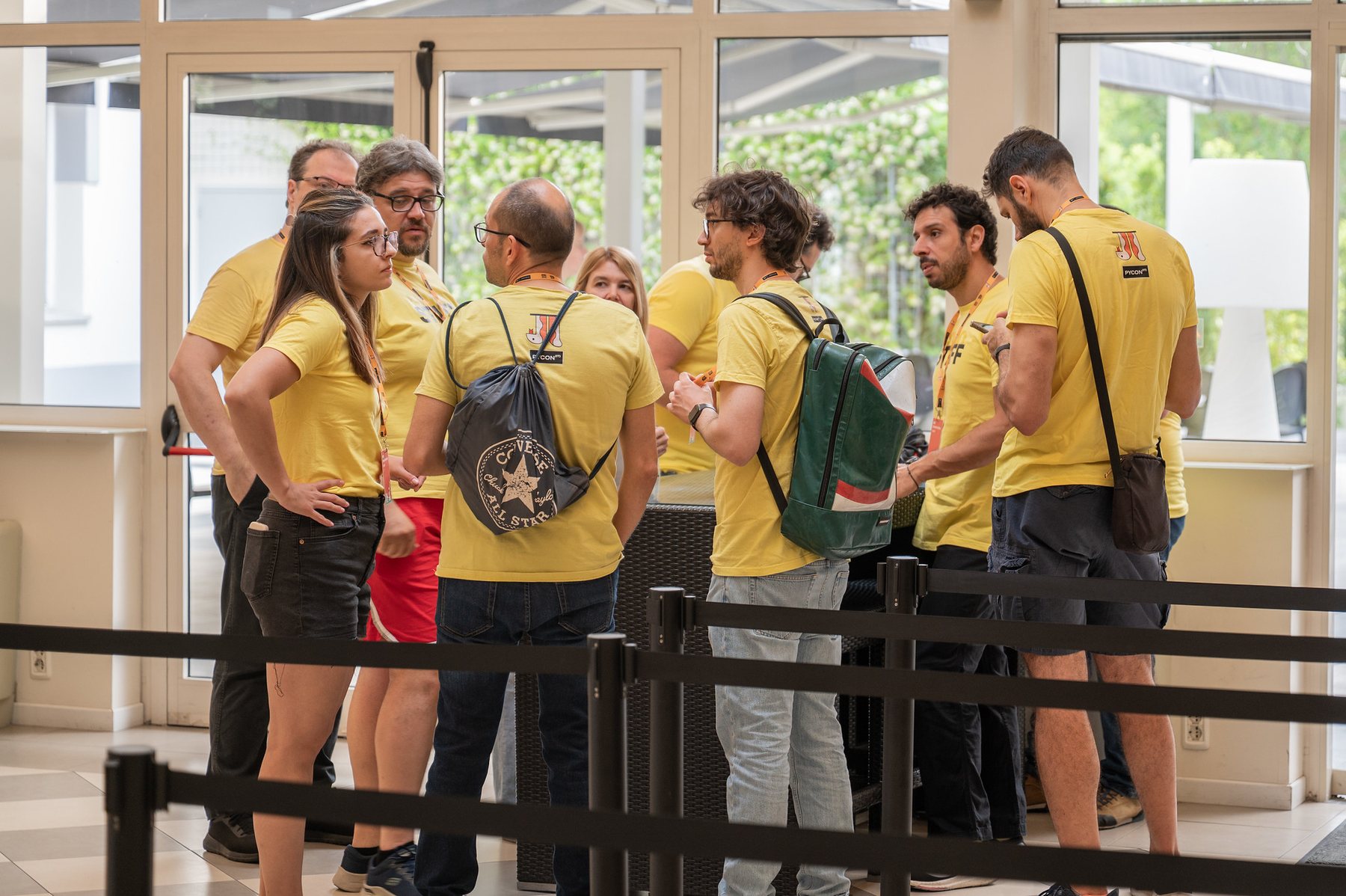
Seeing other organizers deal with a problem knowing what to do, someone making a decision without needing to find me, people who didn't know each other until a moment ago talking, laughing, building relationships.
To get there, you have to make room long before the event begins: share decisions, entrust people with responsibilities, allow others to change what you're building.
Sometimes it also means waiting before saying what I think, because being listened to also means having the responsibility not to take up all the available space.
To me, delegating means allowing something to belong to other people too.
Something will go wrong
I've never organized an event where everything went exactly as planned.
You can prepare backup plans, know where the weak points are, imagine what might happen... and then something else happens.
In 2013, during the social dinner at the final EuroPython (opens in a new tab) in Florence, we thought we could finally relax for a few hours and enjoy dinner with everyone else. Instead, the people running the barbecue managed to create endless queues, delays, portions handed out with no apparent logic that led to the meat running out while half the attendees were still waiting to be served, and even a few sexist remarks from the waiters.
We put our staff shirts back on and went back to work.
Perhaps one of the most important things I've learned from organizing events is precisely this: being prepared doesn't mean knowing what's going to happen.
It means being ready when something that you didn't plan for happens.
If the people organizing an event trust each other, collaborate and enjoy doing it together, somehow that feeling reaches beyond the team. The same happens when there is tension and division; it's one of the things PyCon Italia (opens in a new tab) has taught me over the years.
A community isn't born only from the people who attend an event, but also, and above all, from those who decide that the event belongs to them too, and begin to take care of it.
That's why giving people trust, responsibility and space isn't just a way to organize better. It's a way to build something solid, something that can continue even when someone leaves.
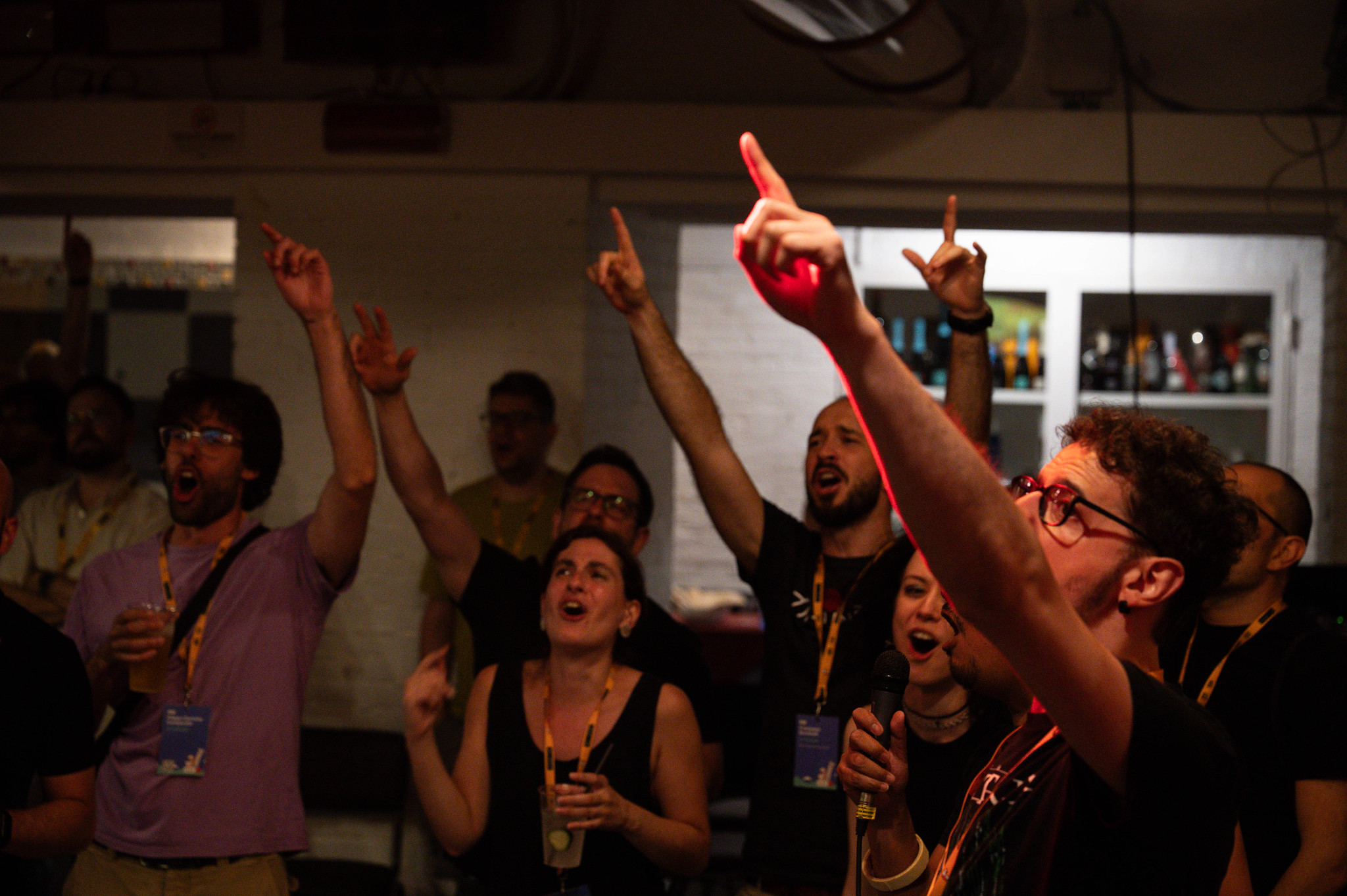
For many years, I organized events because I enjoyed doing it. I learned through conferences, communities, LARPs, mistakes, attempts, people and, above all, problems.
Then someone decided that what I'd learned could become my job too: today, building FastAPI Conf (opens in a new tab) means bringing much of what I've learned over the years into a new context, while continuing to discover everything I still don't know, and that's exactly the part I like most: not being done learning yet.
In the end, silence arrives
When everyone has left and the event is over, I need to be alone.
After spending days surrounded by hundreds of people, my social batteries hand in their resignation. I need silence, to sort through what happened, understand what worked and what didn't, and think about what I can improve next time.
And meanwhile, that strange sense of fullness that comes from having shared something with people I respect and care about remains. It lasts for days, sometimes weeks, while in my head I'm already beginning to think about the next one.